
The Ultimate Guide to Forex Trading Practice for Aspiring Traders
Forex trading can be both an exciting and daunting journey. Aspiring traders need to hone their skills and develop a deep understanding of the market dynamics to be successful. In this guide, we will explore effective practices for Forex trading, including the use of demo accounts, risk management, trading psychology, and the importance of continuous learning. Don’t forget to check out forex trading practice Qatar Brokers, which can provide valuable resources and tools for your trading journey.
Thank you for reading this post, don't forget to subscribe!1. Understanding Forex Trading
The foreign exchange market, or Forex, is the largest financial market in the world, with a daily trading volume exceeding $6 trillion. It is a decentralized global market where different currencies are traded against one another. Unlike stock markets, which have centralized exchanges, Forex trading takes place over-the-counter (OTC), allowing traders to conduct transactions directly between parties.
2. The Importance of Practice
Just like any other skill, becoming proficient in Forex trading requires practice. Many newcomers dive into live trading accounts without sufficient preparation, leading to costly mistakes and potential losses. To build a strong foundation, it is essential to practice trading strategies in a risk-free environment.
Using Demo Accounts
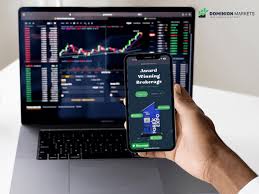
Many brokers offer demo accounts, which simulate real trading without risking actual money. A demo account allows you to familiarize yourself with the trading platform, learn how to analyze charts, and test your strategies. It is an invaluable tool for both beginners and experienced traders looking to refine their skills.
When using a demo account, treat it as if it were a live account. This means that you should adhere to your trading plan, apply proper risk management techniques, and maintain discipline. Only when you feel consistent profits in a demo environment should you consider transitioning to a live account.
Developing a Trading Plan
A key aspect of successful Forex trading is having a well-defined trading plan. This should include your trading goals, risk tolerance, preferred trading style (scalping, day trading, or swing trading), and the types of currencies you plan to trade. A solid trading plan acts as your roadmap, guiding your decision-making and helping you stay focused amidst market volatility.
Technical and Fundamental Analysis
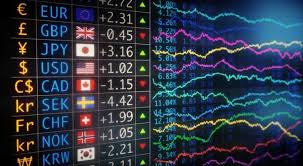
To make informed trading decisions, you will need to become proficient in both technical and fundamental analysis. Technical analysis involves studying historical price charts and using indicators to predict future price movements. Fundamental analysis, on the other hand, focuses on understanding the economic factors that influence currency values, such as interest rates, inflation, and geopolitical events.
3. Risk Management
One of the primary reasons traders fail in the Forex market is poor risk management. It’s essential to preserve your trading capital to ensure the longevity of your trading career. Here are some key risk management techniques:
Position Sizing
Determine how much capital you are willing to risk on a single trade. A common rule of thumb is to risk only 1-2% of your total account balance on any given trade. This ensures that a series of losing trades won’t wipe out your account.
Stop-Loss Orders
Always use stop-loss orders to automatically close a losing position at a predetermined price level. This prevents emotional trading decisions and minimizes your losses. Choose a stop-loss level based on your analysis and market conditions.
Diversification
Avoid putting all your capital into a single trade or currency pair. Instead, consider diversifying your trades across different pairs, which can help spread risk and reduce overall volatility in your trading account.
4. Trading Psychology

In addition to technical and fundamental skills, trading psychology plays a crucial role in a trader’s success. Emotional discipline is key to executing trades according to your plan, rather than giving in to fear and greed.
Developing Discipline
Discipline involves sticking to your trading plan, even when market conditions become turbulent. Traders should avoid revenge trading, which is often an emotional reaction to losing trades. Implementing a structured routine for trading sessions and maintaining a journal to review trades can help develop discipline.
Managing Emotions
Recognize that emotions like fear, greed, and hope can cloud your judgment. To safeguard against emotional trading, take the time to analyze your trades objectively, and don’t let short-term losses derail your long-term plan. Techniques such as mindfulness meditation can also help in managing stress and improving focus.
5. Learning and Continuous Improvement
The world of Forex trading is dynamic, and staying informed about market changes, new strategies, and updated regulations is crucial. Continuous learning will enhance your skills and adaptability as a trader. Here are some ways to keep improving:
Education and Resources
Utilize educational resources provided by your broker, such as webinars, articles, and online courses. Engaging with the trading community can also facilitate knowledge sharing. Platforms such as trading forums and social media groups can provide insights into different trading styles and strategies.
Reviewing and Reflecting
Regularly reviewing your trades allows you to identify strengths and weaknesses in your strategy. Take note of patterns in your trading behavior, such as recurring mistakes or successful strategies. Reflection will help you make necessary adjustments to improve your trading performance.
Conclusion
Forex trading offers immense opportunities, but success doesn’t come overnight. By practicing diligently, implementing sound risk management techniques, mastering the psychology of trading, and committing to continuous learning, you can significantly increase your chances of success in the Forex market. Start small, remain disciplined, and always be ready to adapt to the ever-evolving trading landscape.